

Specialists advice to ensure the most cost-efficient compliance solutions and improvements
MEES Advisors
With our extensive knowledge of EPC methodology, we can offer specialists advice to ensure the most cost-efficient compliance solutions and improvements are achieved for all ‘Minimum Energy Efficiency Standards’ (MEES) related issues.
Current MEES Guidance
From 1st April 2020 the MEES regulation applies to all domestic and non-domestic rented properties. It is now unlawful to let a property to new tenants or renew to existing domestic tenants if the property has an EPC with a rating below E (i.e. F and G). If your property has an EPC of a, F or G, you must take steps to comply with the
EPC 2025 MEES Information – Updated 11 th January 2023
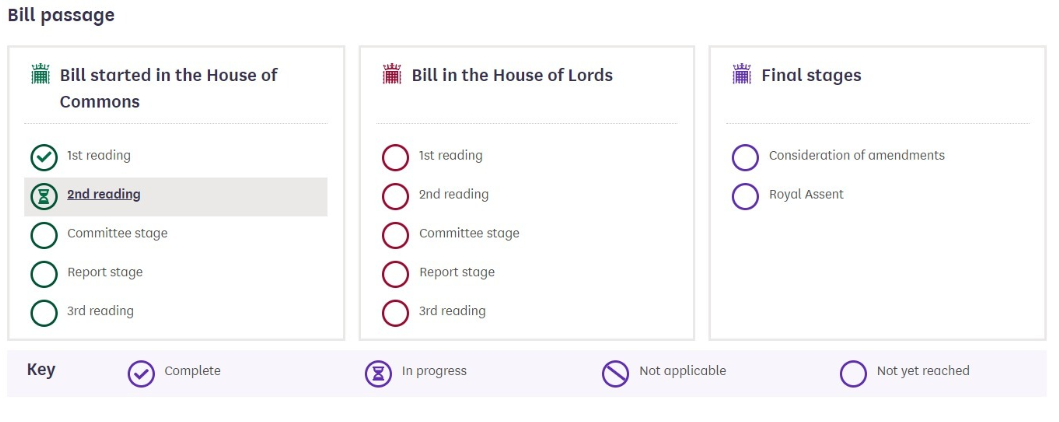
It is important to note – that the 2025 MEES proposals Forming part of the Minimum Energy Performance of Buildings (No. 2 Bill) is a private members bill and is still at the 2-nd reading stage, with a committee stage, report stage, 3-rd stage, and laws being past still yet to happen.
This is creating a lot of confusion and panic for both landlords and for financial institutions with some lenders only lending on properties with EPC ratings of an E or D.
London Energy Surveys are MEES consultants and engaged with many energy sector sources. We believe the bill will have to be delayed or changed prior to becoming law. But improving your property to make it more energy efficient can only be good for both for your investment and for our planet.
If the bill is passed in Parliament (unchanged) then the new government rules for Energy Performance Certificate ratings for new tenancies are due to come into effect in 2025 and for all rental properties by 2028.
You can download the PDF file of the bill here
With approximately two-thirds of homes in the private rental sector having an energy rating of D or below, it means around 3.2 million privately rented properties in England and Wales will require work to meet government targets.
The changes to the Minimum Energy Efficiency Standards (MEES) are being proposed and introduced by the Government in an effort to achieve their target of net-zero carbon emissions by 2050.
Currently, there is a cap of £3,500 exists, whereby a landlord spends up to this value (including funding or grants from the Government, local authorities, or energy companies) on energy efficiency improvements. For improvements which exceed £3,500, landlords can apply for a high-cost exemption. However, to allow for the higher costs involved in taking a property up to an EPC rating of C, the new 2025 regulations come with a cap of £10,000.
It is estimated that it could cost around £6,000 to take an E-rated property to the minimum C rating, so for landlords with bigger property portfolios, the cost implications could be hefty.
Currently, landlords, who do not meet the minimum standards, can be served with a compliance notice and issued a fine of up to £5000 per property by the local authority.
However, from 2025 (if approved) these fines are planned to increase to £30,000 per property making it imperative that landlords begin planning for the changes needed for their property.
Although the Government may decide to offer financial support, actually paying for the work is a huge stumbling block for landlords with many landlords expressing serious concerns about getting any kind of return on their investment.
Some landlords may be eligible for an energy efficiency grant through the ECO4 Scheme. This scheme provides funds for landlords to make energy efficiency improvements to their property and may cover the full cost of some upgrades.
Another concern for landlords is in relation to tax. Making improvements to a property to boost its EPC rating is classed as capital expenditure. Not repairs and maintenance. Therefore, the works cannot be written off against profits for tax purposes.
Get in touch
NEXT STEP
The existing EPC report will have a list of recommendations detailing how you should improve the energy efficiency of the property. You are required to carry out up to £3,500 (inc vat) worth of works improving the buildings energy efficiency.
The £3,500 cap is an upper ceiling, not a target. A landlord can choose to spend more if they wish. If a landlord can improve their property to an E (or higher) for less, they will have met their obligation and can let the property.
MEES EXEMPTION
If the upgrade to a E rating cannot be achieved for £3,500 or less, the landlord will still have to make all the improvements that can be made up to the cost limit and can then register an ‘all improvements made’ exemption.
There are 6 types of exemption that can be registered.
If your property meets the criteria, you will be able to rent it once you have registered the exemption on the PRS Exemptions Register:
. All relevant improvements made an exemption.
. High-cost exemption
. Wall insulation exemption
. Third-party consent exemption
. Property devaluation exemption
All exemptions generally last 5 years but often end if circumstances change during that period. However, there is one temporary exemption for those who have recently become landlords, which is limited to 6 months.
The exemption can be applied for via the Government website https://prsregister.beis.gov.uk/
ENFORCEMENT PENALTIES
If a local authority believes a landlord has failed to fulfil their obligations under MEES Regulations, they may serve the landlord with a compliance notice. The landlord may receive a financial penalty, which can be up to £5,000 per property.
A tenant can also raise a case if they feel a landlord is non-compliant.
Do you require more than one service?
Discounts always available!
Give us a call or use our contact form.
Fire Safety
Fire Risk Assessments for all types of businesses,
HMO's, and Communal areas

Fire Escape Floor Plans
Fire Action Plans
Fire Door Inspections
HMO Advice


